The compact excavator market keeps expanding in 2026. Urban construction growth. Landscaping demand. Utility trenching projects. Residential renovation. From a contractor’s perspective, choosing the right mini excavator is no longer simple. Many models. Different weight classes. Multiple hydraulic options. The goal is clear. Maximum productivity in limited space. Strong return on investment.
Start with jobsite conditions. Narrow access gates. Backyard projects. Indoor demolition. A compact tail swing design becomes critical. Reduced overhang lowers collision risk. Better maneuverability near walls. Safer operation around pedestrians. Contractors working in tight areas should focus on zero tail swing or short radius configurations.
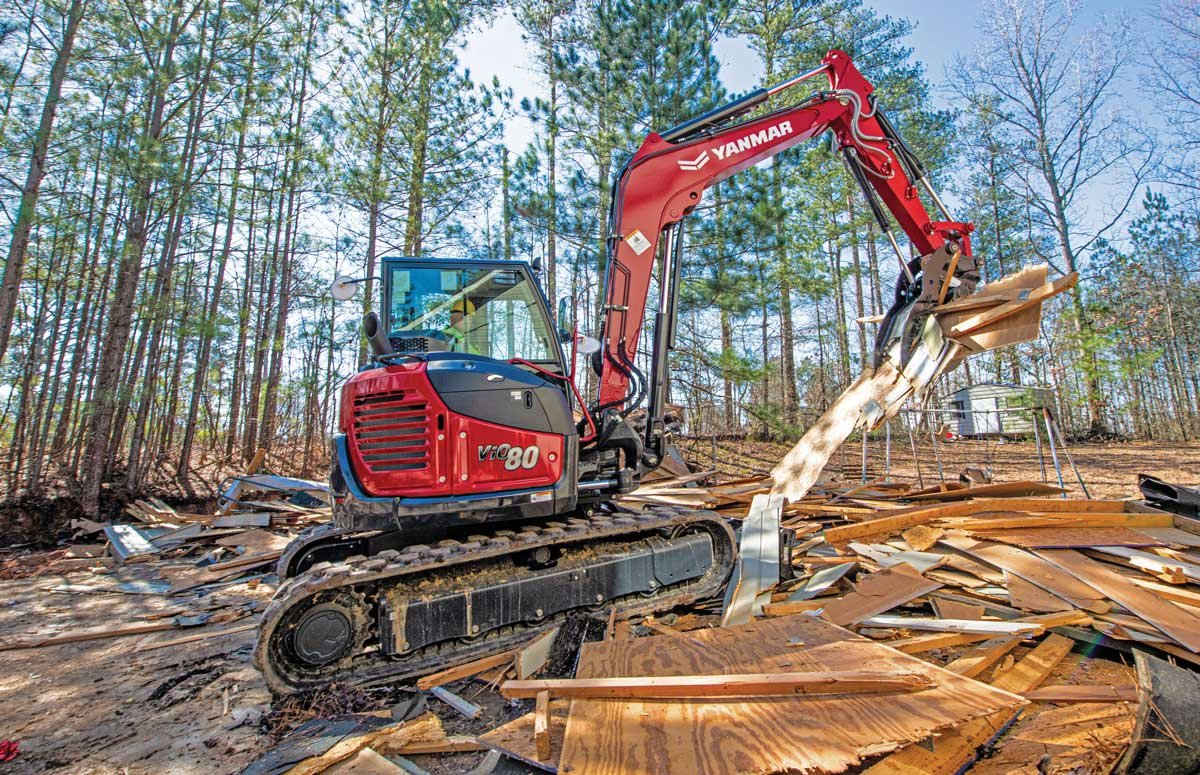
Next factor, operating weight and digging depth. Light units under 2 tons fit landscaping work. Mid range 3 to 5 ton machines handle trenching and foundation prep. Larger mini excavators around 6 to 8 tons support lifting tasks and heavier attachments. Match machine size to project scale. Oversized units increase fuel cost. Undersized units reduce efficiency.
Hydraulic performance determines versatility. Auxiliary hydraulic lines support breakers, augers, compactors, grapples. Smooth flow control improves precision. Stable pressure ensures consistent attachment output. Contractors seeking multi function capability should review flow rate specifications and attachment compatibility charts. One base machine serving multiple tasks improves utilization rate.
Fuel efficiency matters in 2026 cost structures. Rising fuel prices affect operating margins. Modern compact excavators offer optimized engine tuning. Lower hourly fuel consumption. Reduced emissions compliance concerns. Long service intervals protect productivity. Easy access maintenance points shorten downtime.
Operator comfort directly influences daily output. Adjustable seating. Clear digital monitoring screen. Improved visibility to bucket and tracks. Simple control layout. Reduced fatigue during extended shifts. Even less experienced operators maintain consistent grade quality. Training time decreases. Workforce flexibility increases.
Undercarriage durability also impacts long term cost. Reinforced track frames. Quality rubber tracks. Strong idlers and rollers. Balanced weight distribution reduces uneven wear. Contractors should evaluate wear part availability and replacement cost before purchase. Reliable spare parts supply supports uninterrupted operation.
Transport convenience plays a role in fleet planning. Compact excavators often move between small jobs. Machines compatible with light trailers lower hauling cost. Quick loading design saves time. Faster mobilization improves schedule efficiency.
Resale value should not be ignored. Recognized brand performance. Strong maintenance history. Durable structure. These elements maintain equipment value after several years of use. Smart purchasing decisions today support stronger capital recovery later.
In conclusion, getting the maximum out of a mini excavator in 2026 requires careful evaluation of size, hydraulic capability, fuel efficiency, durability, and attachment flexibility. Contractors who compare specifications, operating cost data, and maintenance support options position themselves for higher profitability. Request detailed quotes, technical sheets, and expert guidance to secure compact excavators designed for performance, reliability, and long term value.
Bestminiparts Operation Team
2026.2.26