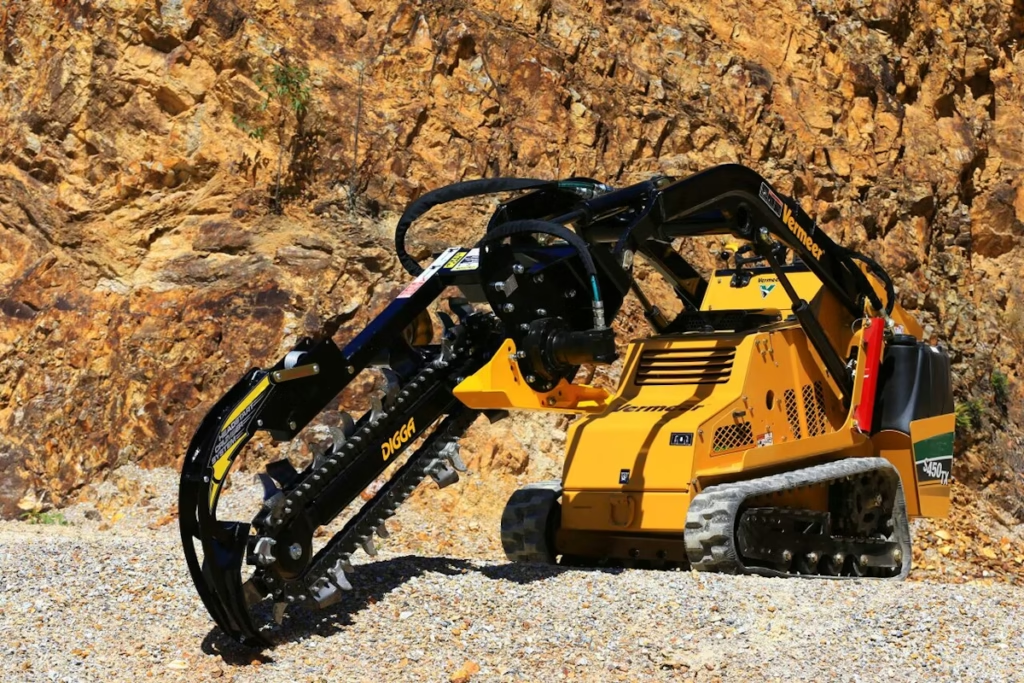

Operators often notice a drop in machine stability long before a component fails. A small vibration, a slight pull to one side, or a louder travel noise can signal a serious problem developing in the undercarriage. Uneven wear on idlers and bottom rollers is one of the most common issues in tracked equipment, and many users overlook these early symptoms. From the operator’s point of view, catching these signs early prevents expensive repairs, reduces downtime, and keeps daily productivity steady.
One of the first warning signs is a change in track alignment. When an idler begins to wear unevenly, the track no longer runs straight along the frame. Users may see the track drifting outward or rubbing against the guard. This misalignment increases friction and causes accelerated wear on the chain bushings. It also forces travel motors to work harder, raising fuel consumption and creating unnecessary stress on other components.
Another clear symptom is abnormal noise. A healthy idler and roller set runs smoothly with minimal sound. When wear develops on one side, the machine may produce clicking, scraping, or a dull thumping noise while traveling. These sounds indicate that the rollers are no longer contacting the track shoes evenly. The metal-on-metal impact becomes stronger on certain points, creating hot spots that break down lubrication and shorten the part’s lifespan.
Surface temperature is another key indicator. Uneven wear increases friction, and operators may notice certain rollers heating up faster than others. This often occurs during long travel cycles or when working on abrasive ground. High temperature accelerates seal damage, and once seals fail, sand and mud enter the components. This leads to rapid internal wear and oil leakage, turning a small issue into a major failure.
A machine that begins to vibrate excessively also points to uneven roller wear. Rollers support the entire weight of the equipment, and when one roller becomes flat-spotted or worn at an angle, it sends vibration through the frame. Operators may feel this through the seat or controls. Over time, this vibration affects bolts, track shoes, and even hydraulic lines. Users often underestimate the damage vibration can create, but it is one of the most expensive problems when ignored.
Visual inspection gives the clearest evidence. A worn roller may show a tapered surface, cracks on one side, or metal flaking. An idler may show dish-shaped wear or a ridge forming on the edge. These patterns do not occur randomly. They reflect improper tension, misalignment, or ground conditions that demand stronger components. Heavy clay, rocky terrain, or long-distance tracking can all accelerate wear, especially if the machine works in tough cycles every day.
Users who work with reliable suppliers gain an advantage, as they receive components built with hardened steel, precision machining, and stable quality. This ensures that replacement rollers and idlers handle shock loads, resist abrasion, and support long operating hours. Strong supply capability also means fast delivery, reducing downtime and keeping projects on schedule.
In conclusion, uneven wear on idlers and bottom rollers should never be ignored. Early detection saves time, reduces repair cost, and protects the entire undercarriage system. For users seeking durable replacements, consistent quality, and a fast response, now is the ideal moment to reach out and request a quotation. A single inquiry can secure long-term performance and keep your equipment running with confidence.
Bestminiparts Operation Team
2025.12.4