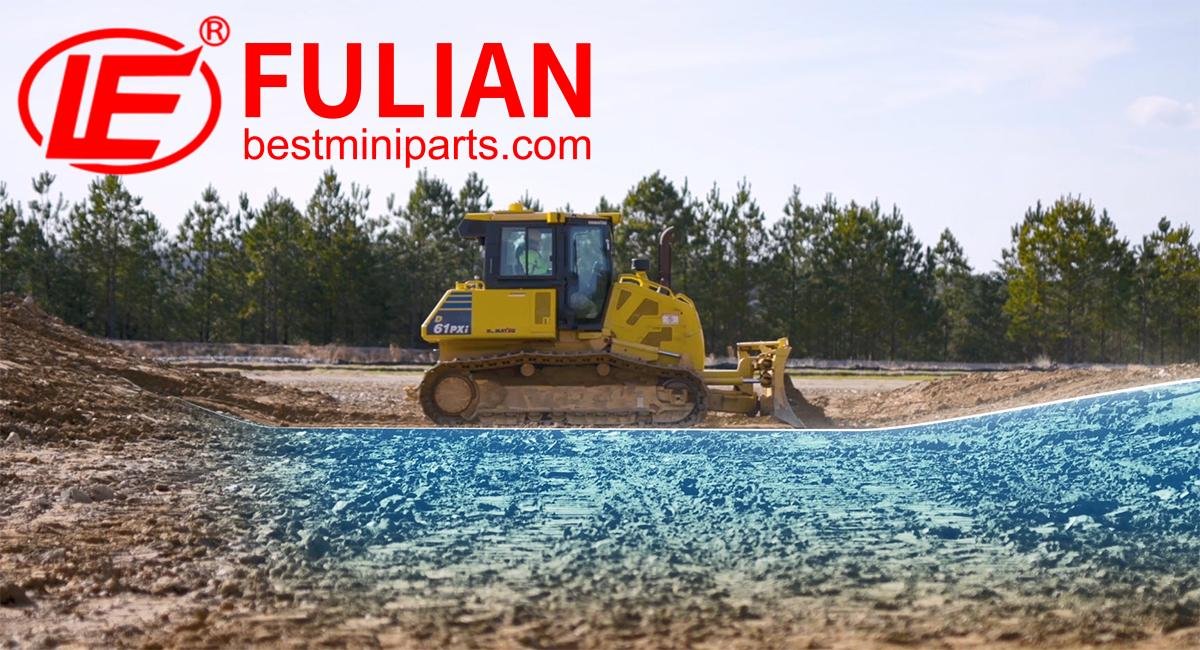
Modern earthmoving demands precision from the first pass. Traditional grading relies heavily on operator experience. Frequent stake checks. Rework due to overcut or undercut. Time loss becomes common. Proactive dozer machine control changes this process. Continuous blade adjustment. Real time terrain feedback. 100 percent active control during operation. From a contractor’s perspective, this technology reduces guesswork and protects profit margins.
Machine control integrated directly into the dozer allows automatic blade response based on design data. No need to wait until rough grading ends. No need for repeated manual corrections. The blade reacts instantly to surface changes. Consistent grade accuracy from start to finish. Reduced material waste. Lower fuel consumption per cubic meter moved.
Accuracy drives cost savings. Overcutting leads to expensive backfill. Undercutting causes repeated passes. Both increase operating hours. Proactive control systems monitor blade position continuously. Maintain target elevation with minimal deviation. Contractors benefit from predictable results. Survey teams spend less time rechecking finished surfaces. Project timelines shorten.
Operator workload also decreases. Less constant lever adjustment. Reduced fatigue during long shifts. Clear in cab display shows design alignment. Even less experienced operators achieve professional grade results. Training time shortens. Fleet flexibility increases. Managers can assign operators across multiple machines with confidence.
Fuel efficiency improves when grading becomes smoother. Fewer correction passes. Reduced track slip. Controlled blade engagement lowers engine strain. Optimized power usage translates into lower fuel cost over project duration. In large infrastructure projects, small percentage savings produce significant financial impact.
Durability remains critical in dozer operations. Proactive control systems protect structural components. Balanced blade pressure reduces excessive shock to frame and undercarriage. Even material distribution decreases uneven wear on cutting edges and track components. Long term maintenance cost decreases. Equipment lifecycle extends.
Data integration adds further value. Digital terrain models load directly into control interface. Real time production tracking supports project management decisions. Progress monitoring becomes transparent. Contractors gain better communication with clients regarding completion status. Documentation improves bidding competitiveness for future projects.
Market demand for automated construction equipment continues to rise. Infrastructure expansion. Road development. Mining preparation. Projects require faster completion with strict accuracy tolerance. Proactive machine control aligns with these expectations. It supports consistent performance across varying soil conditions and jobsite complexity.
From a purchasing perspective, investing in advanced dozer technology strengthens competitive positioning. Higher grading precision. Reduced labor cost. Improved fuel management. Better project predictability. Contractors seeking reliable equipment solutions should evaluate control system specifications, accuracy metrics, compatibility with digital site plans, and long term maintenance support.
In conclusion, proactive dozer machine control operating 100 percent of the time transforms grading efficiency and cost management. Continuous automatic blade adjustment enhances accuracy, reduces rework, and improves operator productivity. Request detailed technical data, integration options, and competitive quotations to upgrade your fleet with intelligent earthmoving solutions designed for modern construction demands.
Bestminiparts Operation Team
2026.2.12