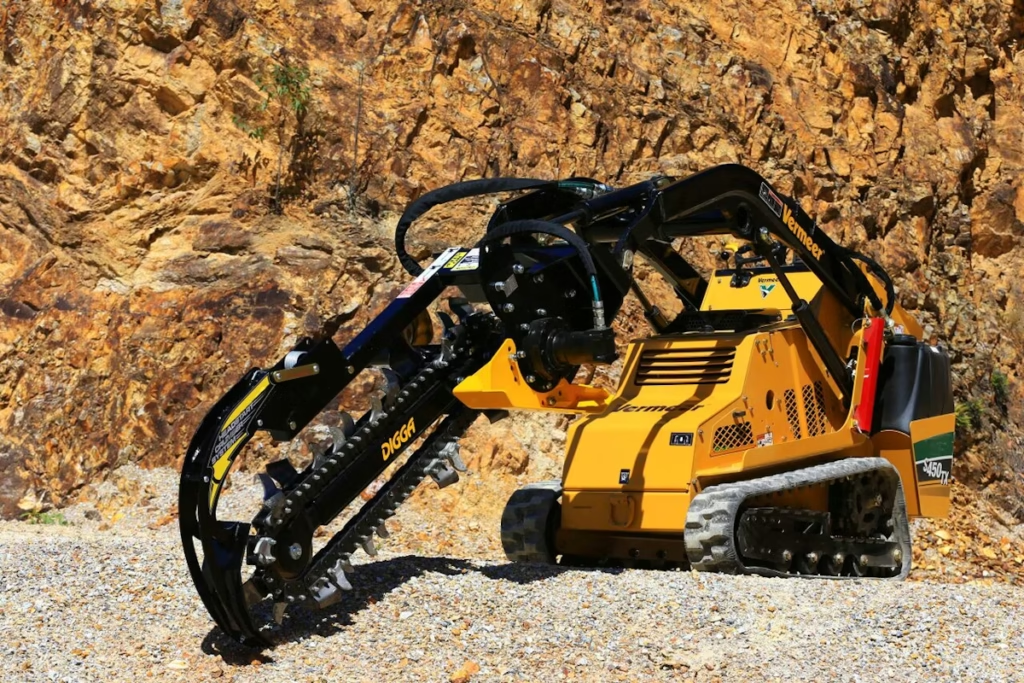

Sprockets drive the entire track system. When tooth profiles wear abnormally, damage spreads fast. Track links suffer. Bushings crack. Downtime arrives without warning. Many failures start small and silent. A simple inspection routine helps spot problems early and saves major repair costs. Operators who check sprocket teeth regularly gain control over undercarriage life and jobsite efficiency.
Start with the tooth shape. A healthy sprocket tooth shows a smooth, even curve. Sharp points signal advanced wear. Hooked or leaning teeth suggest incorrect engagement with track links. These shapes create uneven load and accelerate track damage. Visual checks after cleaning mud and debris reveal these issues clearly. No tools required. Just careful observation.
Next, compare tooth height across the sprocket. Uneven height indicates misalignment or uneven track tension. One side carrying more load wears faster. This often links to idler position or roller alignment issues. Catching this early allows small adjustments instead of full replacements. Consistent tooth height means balanced power transfer and smoother operation.
Check tooth thickness at the root. Thinning near the base weakens the tooth. Cracks may follow under heavy torque. This wear often comes from contaminated working conditions. Sand and fine gravel act like grinding paste. Regular cleaning and proper sealing on related components reduce this risk. High-quality sprockets use hardened steel profiles to resist this type of abrasion.
Pay attention to noise and vibration. Clicking sounds during travel often indicate poor tooth-to-link contact. Vibration under load suggests uneven engagement. These symptoms appear before visible failure. Operators feel them first. Listening to the machine becomes part of the inspection process.
Track condition also tells a story. Excessive bushing wear often points back to sprocket tooth problems. Worn teeth grip bushings incorrectly and increase friction. Replacing tracks without addressing sprockets leads to repeated failures. Balanced replacement planning protects the full undercarriage system.
Quality matters in every inspection outcome. Precision-machined sprockets maintain correct tooth geometry longer. Heat treatment improves wear resistance. Accurate tolerances ensure proper fit with tracks. Reliable supply and consistent specifications reduce guesswork during maintenance planning. This reliability supports long service intervals and predictable operating costs.
Conclusion: Sprocket tooth profile inspection is a simple habit with powerful results. Early detection of abnormal wear protects tracks, reduces downtime, and lowers total ownership cost. Regular visual checks, attention to shape and thickness, and choosing durable components make a real difference. Reach out for technical support or a quotation to secure sprockets built for long life and stable performance.
Bestminiparts Operation Team
2026.1.08