Idlers carry constant load and guide the track every minute on site. When lubrication fails, damage starts quickly. Seals dry out. Side wear increases. Tracks drift. Many operators replace idlers too early without realizing the root cause is simple greasing frequency. A clear greasing routine protects seals, stabilizes alignment, and keeps the undercarriage running smoothly.
Grease works as both lubricant and barrier. Correct frequency keeps contaminants out. Too little grease allows dust and water to enter the seal area. Too much grease creates pressure and pushes seals out of position. Balance matters. For most machines in normal soil, weekly greasing keeps internal surfaces protected. In sand, clay, or wet conditions, shorter intervals make sense. Daily inspection supports the schedule and prevents mistakes.
Seal failure often starts with heat. Dry metal surfaces generate friction. Heat hardens rubber seals and reduces flexibility. Once seals crack, grease escapes and contamination enters. Frequent light greasing lowers friction and stabilizes temperature. Operators notice quieter operation and smoother tracking almost immediately.
Side wear links directly to lubrication quality. When grease breaks down, idler bushings wear unevenly. The idler tilts under load. Track contact shifts to one side. This accelerates flange wear on rollers and edges on tracks. Proper grease film keeps the idler centered and load evenly distributed. The result is straight travel and predictable track tension.
Operating conditions should guide frequency decisions. Machines working on slopes or turning often need more attention. Constant steering puts side load on idlers. Greasing after long travel days reduces stress buildup. Cold climates require grease with stable viscosity. Thick grease in winter may not flow well and leaves dry spots. Choosing the right grade matters as much as timing.
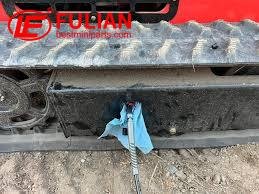
Visual checks support every greasing plan. Look for grease leakage near seals. Check for metal dust around the idler hub. Feel surface temperature after operation. Hot surfaces signal lubrication problems. These checks take minutes and save hours of downtime later.
Component quality supports maintenance success. Precision-machined idlers hold grease evenly. High-grade seals resist pressure and temperature change. Consistent manufacturing tolerances ensure proper grease distribution. Reliable supply ensures replacements match original fit and performance. This reliability helps operators plan maintenance with confidence.
Conclusion: Idler greasing frequency directly affects seal life and side wear. A balanced routine based on jobsite conditions prevents early failure and protects the full track system. Consistent lubrication, careful inspection, and durable components deliver longer service life and lower operating costs. Reach out anytime for technical guidance or a fast quotation to keep your undercarriage performing at its best.
Bestminiparts Operation Team
2026.1.15