In the world of heavy construction and excavation, machinery performance directly impacts both productivity and maintenance costs. One of the key components that often faces significant wear in high-torque applications is the sprocket. As excavators tackle more demanding tasks, particularly in tough terrains or heavy-duty jobs, sprocket tooth wear is becoming a growing concern. If left unchecked, this wear can lead to costly downtime, increased repairs, and ultimately reduced efficiency.
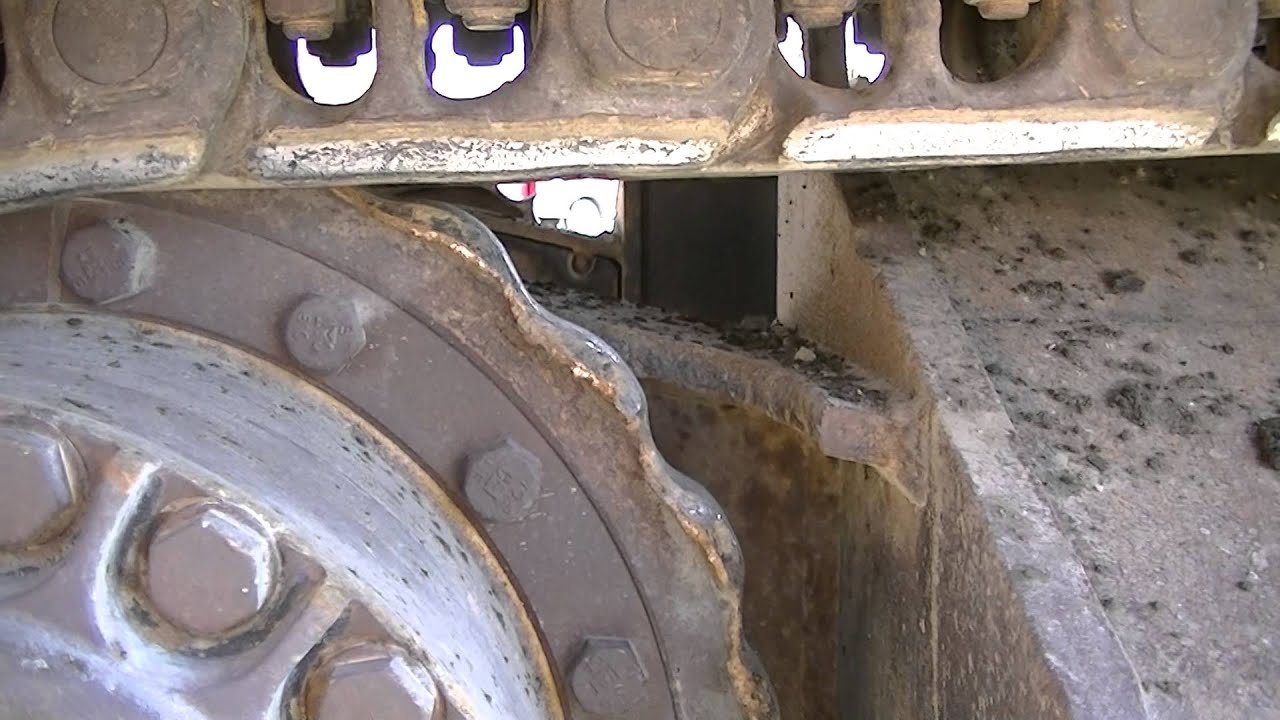
Why is sprocket tooth wear becoming a bigger issue? High-torque applications place substantial pressure on the excavator’s undercarriage, especially on the sprockets, which are responsible for driving the tracks. When operating in rugged conditions—like mining, road construction, or demolition—these components are subject to excessive force. The wear pattern is often uneven, with the teeth of the sprocket grinding down faster than anticipated, leading to poor track engagement and diminished performance.
What are the main factors contributing to increased sprocket wear in high-torque environments? First, the nature of the work itself plays a significant role. Excavators used for high-torque tasks often deal with tougher surfaces, larger loads, and more intensive digging cycles. Each of these factors places more strain on the sprockets. The impact from repeated use, combined with the added weight of the machine and materials, accelerates the wear process.
Additionally, the type of soil or terrain also affects sprocket longevity. In environments with abrasive materials like gravel, rock, or dirt, the sprocket teeth can wear down faster due to increased friction. Over time, the teeth lose their shape and effectiveness, leading to slippage and inefficient operation.
Another critical aspect is maintenance—or rather, the lack of it. Many operators overlook the importance of regularly inspecting the sprockets and performing proper maintenance on the track drive system. Neglecting lubrication, failing to check for debris, and ignoring signs of misalignment all contribute to faster wear and tear. Regular servicing and timely replacement of worn-out sprockets can prevent significant damage and extend the lifespan of the excavator.
So, how can you mitigate sprocket tooth wear in high-torque excavator applications? First and foremost, ensure regular inspections of the sprockets and track systems. This can help identify any signs of wear early and allow for timely repairs. Use high-quality, durable sprockets designed for heavy-duty applications. They are made to withstand extreme pressure and reduce the rate of wear, offering long-term savings in maintenance. Additionally, optimize machine settings and operations to ensure smoother, less stressful work cycles.
In conclusion, sprocket tooth wear in high-torque excavator applications is an issue that needs serious attention. By investing in quality components, maintaining equipment properly, and monitoring wear patterns closely, you can reduce downtime and improve operational efficiency. If you’re looking for durable, high-performance sprockets to handle tough jobs, don’t hesitate to reach out for more information and a personalized quote.
Bestminiparts Operation Team
2026.4.2