When it comes to heavy machinery used in construction, mining, or other demanding industries, every component plays a critical role in ensuring smooth operation. One often-overlooked part that can cause significant downtime and maintenance costs is the top roller seal. These seals are designed to protect the machinery’s undercarriage, preventing dirt, dust, and moisture from damaging internal components. However, in challenging environments—particularly dusty and wet job sites—top roller seal failures are becoming more frequent, leading to higher repair costs and reduced equipment life.
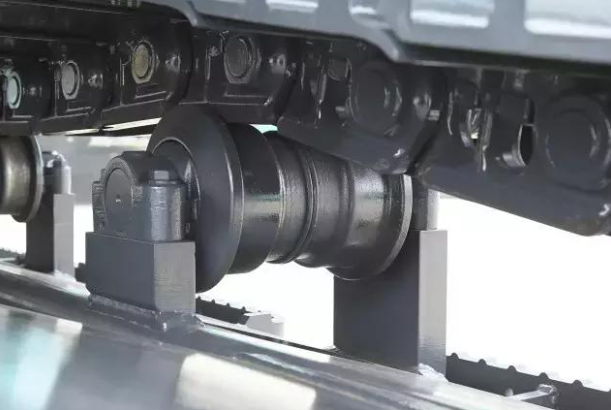
Top roller seals are crucial because they safeguard the internal mechanisms of rollers from contaminants that could cause excessive wear. When these seals fail, dirt, water, and debris can infiltrate the roller, leading to accelerated wear, corrosion, and sometimes complete component failure. But why are these failures becoming more common in certain environments?
The primary culprit is the combination of dust and moisture on job sites. In areas where the terrain is either dusty or wet, top rollers are exposed to conditions that challenge the integrity of their seals. In dusty environments, fine particles can work their way into the seals, creating friction that gradually erodes their surface. Over time, the seals lose their ability to effectively protect the roller, allowing contaminants to damage critical parts of the machinery. Similarly, wet conditions—such as those found on construction sites exposed to rain or working in wet, muddy areas—can cause the seals to weaken, leading to water infiltration. Moisture inside the roller housing can lead to rust, degradation, and a shortened lifespan of internal components.
The harsh working conditions of these job sites put even more strain on the seals. For example, heavy machinery is often required to work longer hours, exerting additional pressure on top rollers. This pressure, combined with the abrasive forces from dirt or the corrosive effects of water, can quickly deteriorate seals that might otherwise perform well in milder conditions.
Inadequate maintenance also contributes to seal failures. Operators sometimes overlook the importance of regularly inspecting and replacing seals, especially when equipment is operating in environments that are tough on machinery. Without proper monitoring, seal failure often goes unnoticed until it results in significant damage, downtime, and expensive repairs.
So, what can be done to mitigate these issues and reduce the risk of top roller seal failures? First, ensure regular inspections of the undercarriage, especially after the machine has worked in dusty or wet conditions. This helps identify early signs of seal wear, allowing for timely replacement. Secondly, using high-quality seals designed for extreme conditions can go a long way in improving durability. These seals are made from materials that resist abrasives and moisture, offering better protection for the rollers. Lastly, proper lubrication and keeping the rollers clean can prevent contaminants from infiltrating the seals and extend their life.
In conclusion, top roller seal failures are becoming a significant concern in dusty and wet job site conditions. By understanding the causes of seal wear and implementing preventive measures such as quality seals and regular maintenance, you can reduce downtime and ensure longer, more efficient operation of your machinery. If you want to know more about top roller seals or need advice on how to improve your equipment’s performance, don’t hesitate to reach out for a consultation or quote today!
Bestminiparts Operation Team
2026.4.9